positive covid test pdf
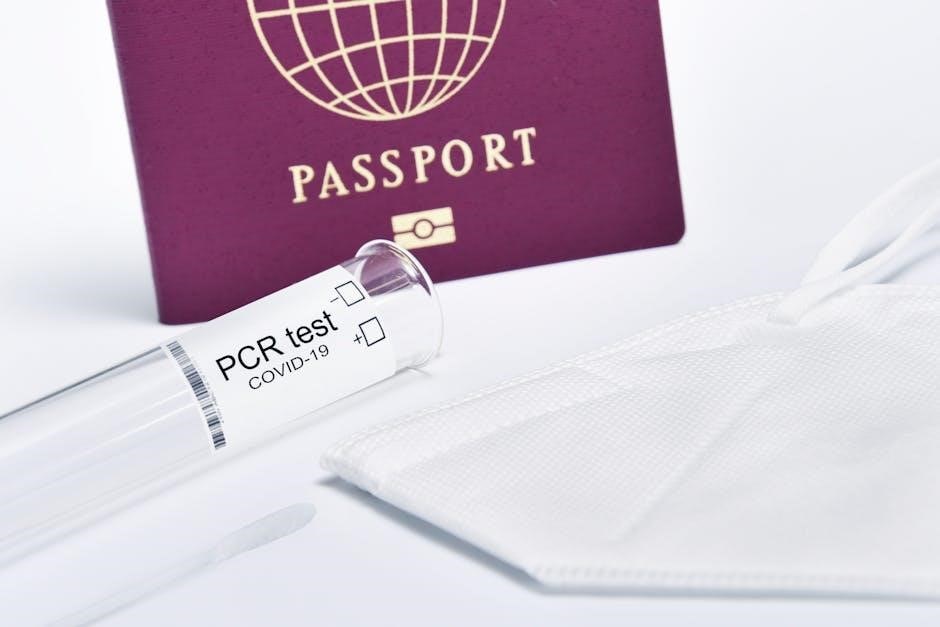
Understanding a Positive COVID-19 Test PDF
A positive COVID-19 test‚ documented in a PDF report‚ signifies potential infection‚ though non-SARS-CoV viruses can yield false positives; commercial testing provides legal basis.
What Does a Positive Result Indicate?
A positive result from a COVID-19 test‚ as detailed in the PDF report‚ generally indicates the presence of the SARS-CoV-2 virus within your respiratory system. However‚ it’s crucial to understand that a positive result doesn’t automatically confirm active infection. The test procedure and result interpretation require careful attention‚ as positive outcomes can sometimes stem from infection with viruses other than SARS-CoV-2‚ leading to what’s known as a false positive.
Specifically‚ a positive rapid antigen test confirms the detection of the virus‚ suggesting you are currently infected. PCR tests‚ while highly sensitive‚ can sometimes remain positive for up to three months post-recovery‚ detecting viral remnants rather than active replication; Therefore‚ understanding the context of the test – when it was taken‚ your symptoms‚ and potential exposure – is vital when interpreting a positive PDF report. The report’s details are key to proper assessment.

Types of COVID-19 Tests & PDF Reports
COVID-19 testing encompasses PCR‚ rapid antigen‚ and antibody tests‚ each generating unique PDF reports detailing results and crucial diagnostic information.
PCR Tests and PDF Reports
PCR (Polymerase Chain Reaction) tests are highly sensitive molecular tests considered the gold standard for detecting the SARS-CoV-2 virus. The PDF reports generated from PCR tests typically provide detailed information‚ including patient demographics‚ the date and time the sample was collected‚ and the laboratory performing the analysis. A positive PCR result‚ indicated as “Detected” within the report‚ confirms the presence of viral RNA. Importantly‚ PCR tests can remain positive for up to three months post-recovery‚ not necessarily indicating ongoing infection but rather detecting residual viral material.
These reports often include qualitative results – simply stating detected or not detected – but some may also offer quantitative data‚ indicating the viral load. Understanding that a positive result doesn’t always equate to current infectivity is crucial. The test procedure and result interpretation must be followed closely‚ as positive results can sometimes be due to infection with non-SARS-CoV viruses.
Rapid Antigen Tests and PDF Reports
Rapid antigen tests offer a quicker‚ though generally less sensitive‚ method for detecting active COVID-19 infections. PDF reports from these tests typically present a straightforward “Positive” or “Negative” result‚ indicating whether viral antigens were detected in the sample. A positive rapid antigen test signifies the patient tested positive for COVID-19‚ suggesting current infection and potential transmissibility. However‚ these tests have a shorter detection window; they may not detect the virus after approximately nine days‚ even if the individual remains infectious.
The legal basis for these tests is often commercial‚ and accurate interpretation is vital. While convenient‚ rapid antigen tests are more prone to false negatives compared to PCR tests. A leading pharmacist advises those testing positive to isolate for at least five days to curb the spread of highly infectious strains like Stratus and Nimbus.
Antibody Tests and PDF Reports
Antibody tests‚ also known as serological tests‚ differ significantly from PCR and antigen tests; they detect the presence of antibodies developed in response to a COVID-19 infection‚ not the virus itself. PDF reports from antibody tests typically indicate whether IgG antibodies against the SARS-CoV-2 virus have been detected‚ often utilizing recombinant S1 Protein-human anti-COVID-19 IgG antibody technology.
A “Positive” result signifies antibody development‚ suggesting past exposure to the virus. However‚ it doesn’t confirm current infection or immunity. Results are often presented qualitatively – “Detected” or “Not Detected”. The aim of these tests is to identify the infectious SARS-CoV-2 virus in patient samples and determine the duration of virus detectability. These tests are crucial for understanding population-level immunity and tracking the spread of the virus‚ but are less useful for diagnosing acute infections.

Key Components of a Positive COVID-19 Test PDF
Essential PDF elements include patient details‚ test specifics (date‚ lab)‚ a clear “Detected” or “Positive” result‚ and the specimen type utilized for analysis.
Patient Information Section
The Patient Information Section within a positive COVID-19 test PDF is critically important for accurate record-keeping and result association. This section typically includes the patient’s full legal name‚ date of birth‚ and often‚ a unique medical record number or patient identifier.
Contact details‚ such as address and phone number‚ are frequently present to facilitate communication regarding results and follow-up care. Accurate demographic information is essential to avoid misidentification and ensure the correct patient receives the appropriate medical guidance.
Some reports may also include information about the ordering physician or healthcare provider‚ linking the test request to a specific clinical context. Thoroughness in this section is paramount for maintaining data integrity and supporting effective public health tracking efforts related to COVID-19.
Test Details (Date‚ Time‚ Lab)
The Test Details section of a positive COVID-19 test PDF meticulously records crucial information about when and where the sample was collected and analyzed. This includes the precise date the test was performed‚ along with the time of day‚ ensuring a clear timeline of events.
Critically‚ the name and location of the laboratory that processed the sample are specified‚ providing traceability and accountability for the testing procedure. This information is vital for verifying the test’s validity and investigating any potential discrepancies.
Often‚ a unique test identifier or accession number is included‚ allowing for easy referencing and tracking within the laboratory’s system. Accurate recording of these details is fundamental for maintaining the integrity of the testing process and supporting public health surveillance efforts.
Result Section: “Detected” or “Positive”
The Result Section within a positive COVID-19 test PDF is the most critical component‚ clearly stating the outcome of the analysis. Typically‚ this section will explicitly indicate either “Detected” or “Positive‚” signifying the presence of the SARS-CoV-2 virus in the sample.
The wording may vary slightly depending on the type of test performed (PCR‚ antigen‚ etc.) and the laboratory’s reporting standards‚ but the core message remains consistent: the virus was identified. Qualitative results are commonly presented in this format.
It’s important to note that a positive result indicates current infection‚ though the viral load and potential for transmission can vary. This section often includes a brief interpretation of the result‚ emphasizing the need for isolation and further medical guidance.
Specimen Type (Nasal Swab‚ Saliva‚ etc.)
A crucial detail within a positive COVID-19 test PDF is the specified ‘Specimen Type’ used for testing. This section clearly identifies the source of the sample analyzed‚ which commonly includes nasal swabs – either anterior or mid-turbinate – and saliva samples.
The accuracy and reliability of the test can be influenced by the specimen type and proper collection techniques. Some tests may also utilize nasopharyngeal swabs‚ though these are less common due to discomfort.
The PDF report will explicitly state which type of specimen was used‚ providing context for interpreting the results. Knowing the specimen type is important as different methods have varying sensitivities and detection windows‚ impacting the overall assessment of infection.
Interpreting the Results
Positive results require careful interpretation‚ acknowledging the possibility of false positives and considering viral load; duration of detectability varies by test type.
False Positives: Understanding the Possibility
Understanding false positives is crucial when interpreting a COVID-19 test PDF; While tests are generally reliable‚ a positive result doesn’t always definitively confirm a current SARS-CoV-2 infection. The provided information highlights that positive results may be due to infection with non-SARS-CoV viruses‚ meaning other pathogens can sometimes trigger a positive reading. This is particularly relevant when considering the sensitivity and specificity of different test types.
It’s important to remember that no test is 100% accurate. Factors like laboratory error‚ cross-reactivity with other viruses‚ or even contamination can contribute to a false positive. Therefore‚ a positive result should be considered in conjunction with clinical symptoms and‚ if necessary‚ confirmed with a more definitive test‚ such as a PCR test. Relying solely on a single positive result‚ especially without accompanying symptoms‚ could lead to unnecessary anxiety or restrictive measures.
Viral Load and PDF Reporting
While a positive COVID-19 test PDF confirms the presence of the virus‚ it often doesn’t directly quantify the viral load. The provided text indicates a positive test result corresponded to a worsening of patient conditions‚ observed through repeated CT scans. However‚ standard PDF reports typically focus on a qualitative result – “detected” or “positive” – rather than a precise measurement of viral particles.
Although not routinely included in standard reports‚ viral load (the amount of virus present) is a significant factor in determining infectiousness and disease severity. Quantitative PCR tests can measure viral load‚ and some labs may include this data in specialized reports. Understanding viral load can help clinicians assess the stage of infection and predict potential outcomes‚ but its absence on a standard PDF doesn’t invalidate a positive diagnosis.
Positive Result Duration & Continued Testing
The duration a positive COVID-19 test remains detectable varies significantly depending on the test type. PCR tests‚ known for their sensitivity‚ can yield positive results for up to three months post-recovery‚ even after infectiousness has ceased. This prolonged detectability doesn’t necessarily indicate ongoing infection or risk of transmission. Conversely‚ rapid antigen tests generally detect the virus for approximately nine days after symptom onset‚ making them more useful for identifying active infections.
Continued testing may be recommended following an initial positive result‚ particularly if symptoms persist or worsen. Repeat testing can help determine if the viral load is decreasing and assess the individual’s infectiousness. However‚ relying solely on test results requires careful interpretation‚ considering the test type and time elapsed since the initial positive finding.
Clinical Implications of a Positive Test
A positive test correlates with symptoms like loss of taste‚ sore throat‚ and breathlessness; worsening conditions necessitate repeat CT scans‚ and isolation for five days is advised.
Common COVID-19 Symptoms
Following a positive COVID-19 test‚ individuals may experience a diverse range of clinical symptoms‚ varying in severity. Frequently reported indicators include the noticeable loss of taste or smell‚ often presenting early in the infection. A sore throat is another common complaint‚ alongside persistent coughing‚ which can be either dry or productive.
Breathlessness‚ or shortness of breath‚ signifies a more serious progression of the illness and warrants immediate medical attention. Other symptoms can encompass fever‚ chills‚ fatigue‚ muscle aches‚ headache‚ congestion‚ and gastrointestinal issues like nausea‚ vomiting‚ or diarrhea. It’s crucial to remember that symptom presentation differs significantly between individuals; some may be asymptomatic‚ while others experience severe illness.
The presence of these symptoms‚ coupled with a positive test result‚ strongly suggests a COVID-19 infection‚ necessitating appropriate isolation and medical guidance.
Worsening Condition & Repeat CT Scans
A positive COVID-19 test result‚ particularly when correlated with a declining clinical state‚ often prompts further investigation. Studies indicate a direct link between a positive test and the worsening of a patient’s condition‚ necessitating careful monitoring. When symptoms escalate – such as increasing breathlessness‚ persistent high fever‚ or chest pain – healthcare professionals may order a repeat CT scan of the chest.
These scans are vital for assessing the extent of lung involvement‚ identifying pneumonia‚ and evaluating the overall severity of the infection. The CT scan results help determine the appropriate level of care‚ ranging from continued home isolation to hospitalization and intensive care support. Observing changes between initial and subsequent scans provides crucial insights into disease progression and treatment effectiveness.
Isolation Guidelines (5-Day Recommendation)
Following a positive COVID-19 test‚ adhering to isolation guidelines is paramount to curb viral spread. Current recommendations‚ driven by public health concerns and evolving strain characteristics like Stratus and Nimbus‚ generally advise a minimum of five days of isolation at home. This period begins from the onset of symptoms‚ or‚ if asymptomatic‚ from the date of the positive test result documented in the PDF report.
During this time‚ individuals should remain separated from others‚ minimizing contact to protect vulnerable populations. A leading pharmacist emphasizes the importance of this five-day period‚ particularly with highly infectious new strains circulating. After five days‚ if symptoms are resolving or absent‚ cautious re-entry with mask-wearing is often permitted‚ but continued symptom monitoring is crucial.

Legal and Commercial Aspects of Testing
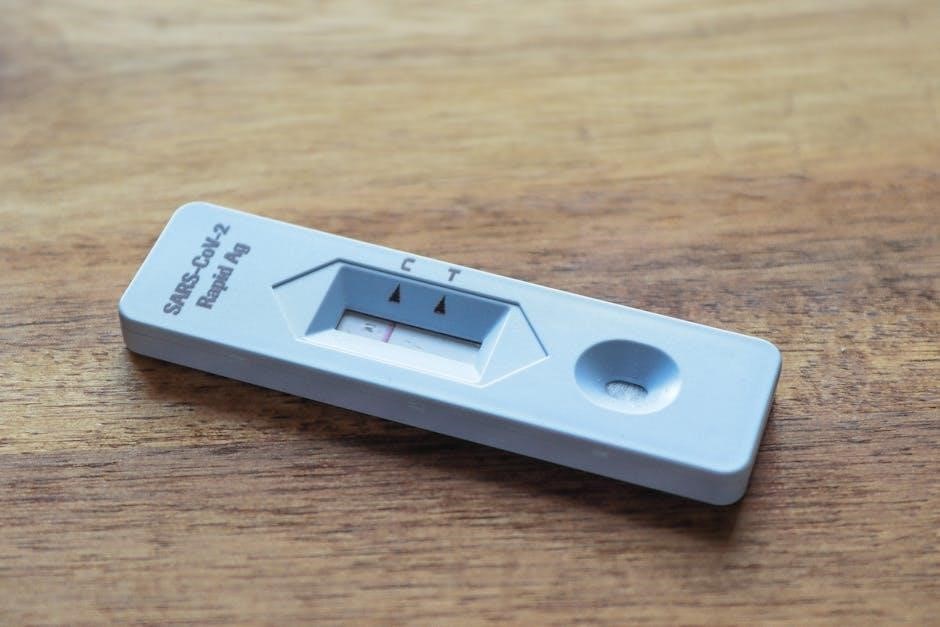
COVID-19 testing operates on a commercial basis‚ establishing a legal framework for test administration and result reporting‚ as seen in the PDF documentation.
Commercial Basis for Testing
The provision of COVID-19 tests‚ and consequently the generation of positive test PDF reports‚ is fundamentally rooted in a commercial framework. This means testing services are offered by various entities – laboratories‚ healthcare providers‚ and increasingly‚ at-home test manufacturers – operating to recover costs and generate profit. The legal basis for these tests often stems from commercial agreements and regulatory approvals allowing for widespread availability.
This commercial aspect influences accessibility‚ turnaround times‚ and the types of tests available. While public health initiatives may subsidize some testing‚ a significant portion relies on individual payment or insurance coverage. The PDF reports themselves represent a deliverable within this commercial transaction‚ providing documented evidence of the test result. Understanding this commercial basis is crucial when interpreting a positive COVID-19 test PDF‚ as it highlights the role of private entities in disease surveillance and individual healthcare decisions.

Understanding Test Technology
COVID-19 tests utilize technologies like recombinant S1 protein-human anti-COVID-19 IgG antibody assays‚ yielding qualitative results—detected or not detected—indicating viral presence.
Recombinant S1 Protein-Human Anti-COVID-19 IgG Antibody Tests
These tests play a crucial role in determining past exposure to the SARS-CoV-2 virus and the development of an immune response. They utilize a recombinant S1 protein‚ a component of the virus’s spike protein‚ to detect the presence of IgG antibodies produced by the human body in response to infection or vaccination. A positive result indicates that the individual has developed antibodies‚ suggesting prior exposure.
However‚ it’s important to note that a positive result doesn’t necessarily confirm current infection. Antibodies can persist for months after recovery‚ and vaccination also induces antibody production. The interpretation of results requires careful consideration of the patient’s history and other testing data. A negative result suggests the absence of detectable antibodies at the time of testing‚ but doesn’t rule out prior infection or the possibility of developing antibodies later.
Qualitative vs. Quantitative Results
COVID-19 test results are presented in two primary formats: qualitative and quantitative‚ each offering distinct insights into infection status. Qualitative results‚ commonly seen with rapid antigen tests‚ provide a simple “detected” or “not detected” answer‚ indicating the presence or absence of the virus. This format is straightforward but lacks precise information about the viral load.
Quantitative results‚ typically generated by PCR tests‚ measure the amount of viral RNA present in the sample. This is expressed as a numerical value‚ often referred to as the Ct value‚ which correlates with the viral load. Lower Ct values generally indicate higher viral loads and potentially greater infectivity. Understanding the difference is crucial for interpreting the PDF report and making informed decisions regarding isolation and treatment.
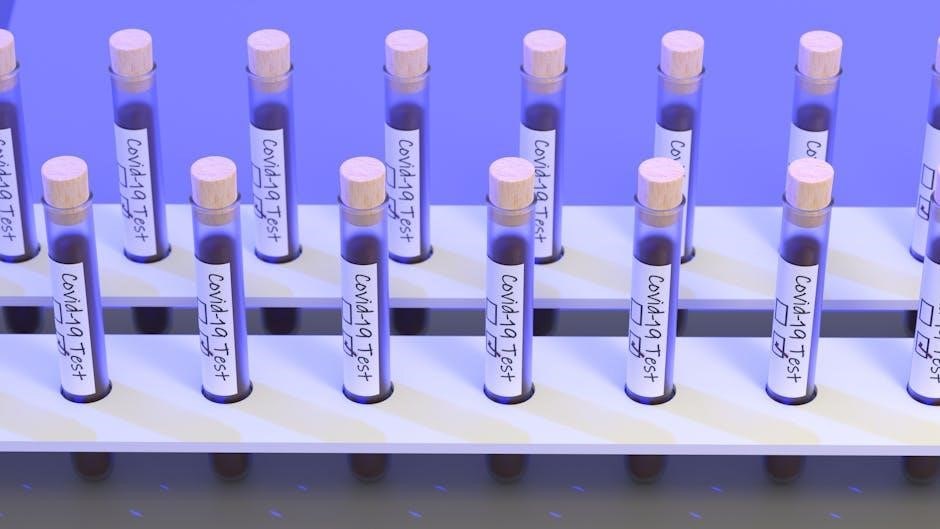
Duration of Detectability
PCR tests may remain positive for up to three months post-recovery‚ while rapid antigen tests typically detect COVID-19 for approximately nine days.
PCR Test Detectability (Up to 3 Months)
Polymerase Chain Reaction (PCR) tests are renowned for their high sensitivity in detecting the SARS-CoV-2 virus‚ but this sensitivity also contributes to a prolonged period of detectability even after an individual is no longer infectious. Unlike rapid antigen tests‚ which primarily identify active viral particles‚ PCR tests detect viral RNA – genetic material – which can linger in the body for weeks or even months following initial infection and recovery.
This means a positive PCR test result does not necessarily equate to current infection or the ability to transmit the virus. Individuals may continue to test positive for an extended duration‚ potentially up to three months‚ due to the presence of residual viral RNA. This prolonged detectability can be particularly relevant for individuals undergoing repeat testing for travel‚ work‚ or other requirements. Understanding this nuance is crucial to avoid unnecessary isolation or concern based solely on a positive PCR result obtained long after recovery from the acute phase of COVID-19.
Rapid Antigen Test Detectability (9 Days)
Rapid antigen tests offer a quicker turnaround time for COVID-19 detection‚ but their detectability window is considerably shorter than that of PCR tests. These tests identify specific viral proteins‚ requiring a higher viral load to produce a positive result. Consequently‚ they are most accurate when administered during the peak of infection‚ when viral loads are highest.
Generally‚ a rapid antigen test is reliable for detecting active COVID-19 infection for approximately nine days after symptom onset. After this period‚ the viral load typically declines to a level where the test may yield a negative result‚ even if some viral RNA remains present (as detected by PCR). This shorter detectability window means a negative rapid antigen test after nine days doesn’t definitively rule out prior infection‚ but suggests a lower likelihood of current infectiousness. It’s crucial to consider this timeframe when interpreting results and making decisions regarding isolation or further testing.
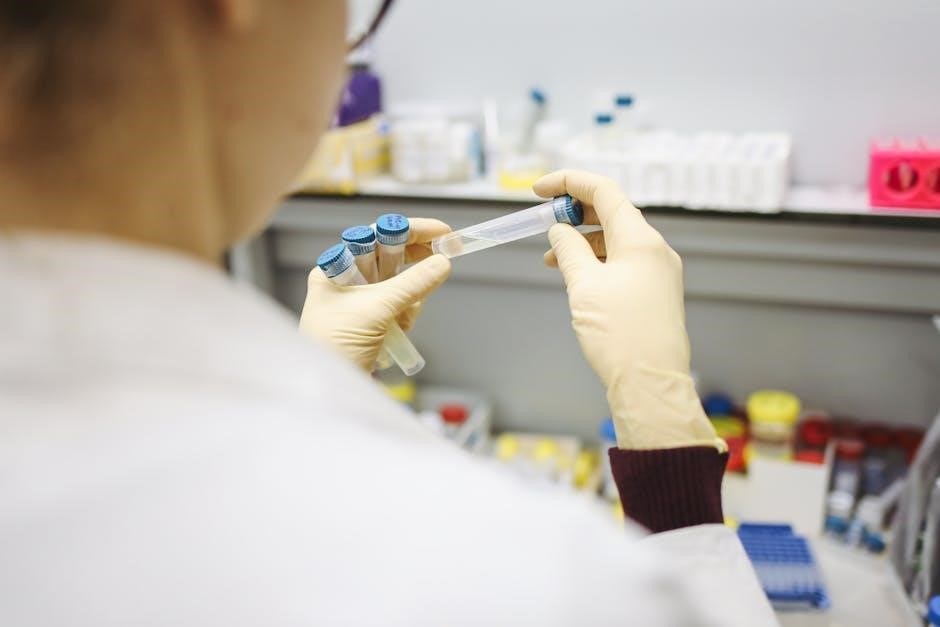
Resources and Further Information
Identifying the SARS-CoV-2 virus in patient samples is crucial for disease management‚ determining infection duration‚ and understanding viral spread effectively.
Identifying SARS-CoV-2 Virus in Patient Samples
The core aim of diagnostic testing revolves around accurately identifying the infectious SARS-CoV-2 virus within patient samples collected throughout the course of the illness. This identification process is fundamental to confirming a COVID-19 diagnosis and initiating appropriate clinical management. Various testing methodologies‚ including PCR and rapid antigen tests‚ are employed to detect the presence of the virus‚ each with its own sensitivity and timeframe for accurate detection.
Determining the duration of virus detectability is also a critical aspect of understanding the infection’s progression. PCR tests‚ known for their high sensitivity‚ can potentially detect viral RNA for up to three months post-recovery‚ while rapid antigen tests generally have a shorter detection window of approximately nine days. Understanding these limitations is vital for interpreting test results and guiding public health strategies.
Ultimately‚ precise virus identification and duration assessment contribute significantly to controlling the spread of COVID-19 and improving patient outcomes.
Need a copy of your positive COVID test result in PDF format? We guide you to easily access & download official documents. Fast, secure & reliable info here!